Preventive vs Breakdown Maintenance in Logistics: The Real Cost Difference
Table of Contents
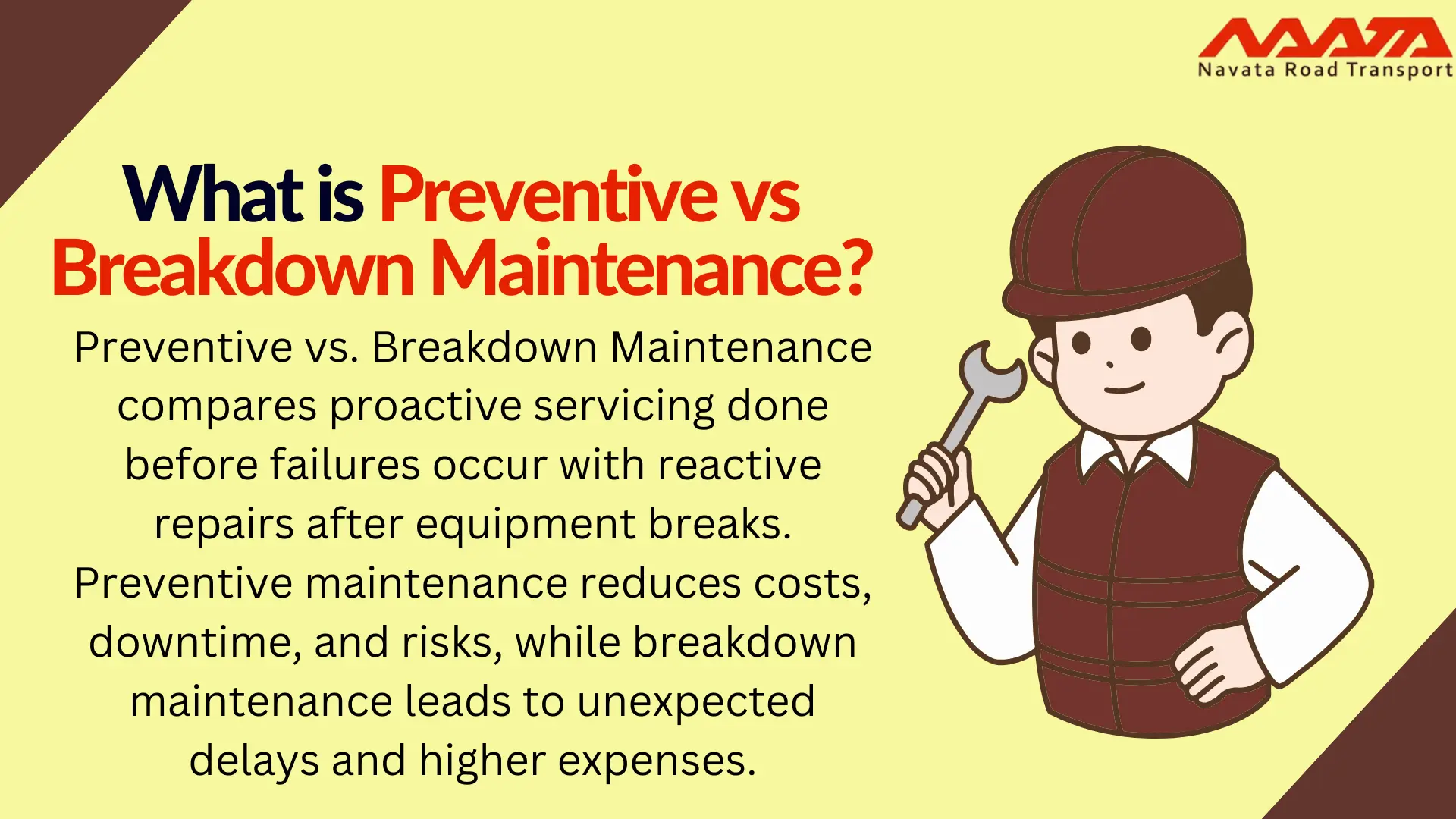
Preventive vs Breakdown Maintenance
Maintenance strategy defines the reliability, cost efficiency, and long-term performance of any logistics operation. Yet many transport companies still rely on breakdown maintenance—waiting for a vehicle or asset to fail before taking action. In today’s high-pressure logistics environment, this approach is costly, unpredictable, and harmful to operational continuity.
A structured preventive maintenance strategy, backed by telematics and real-time diagnostics, offers measurable financial advantages. Below is a detailed breakdown of what each strategy means and the actual cost difference logistics companies face.
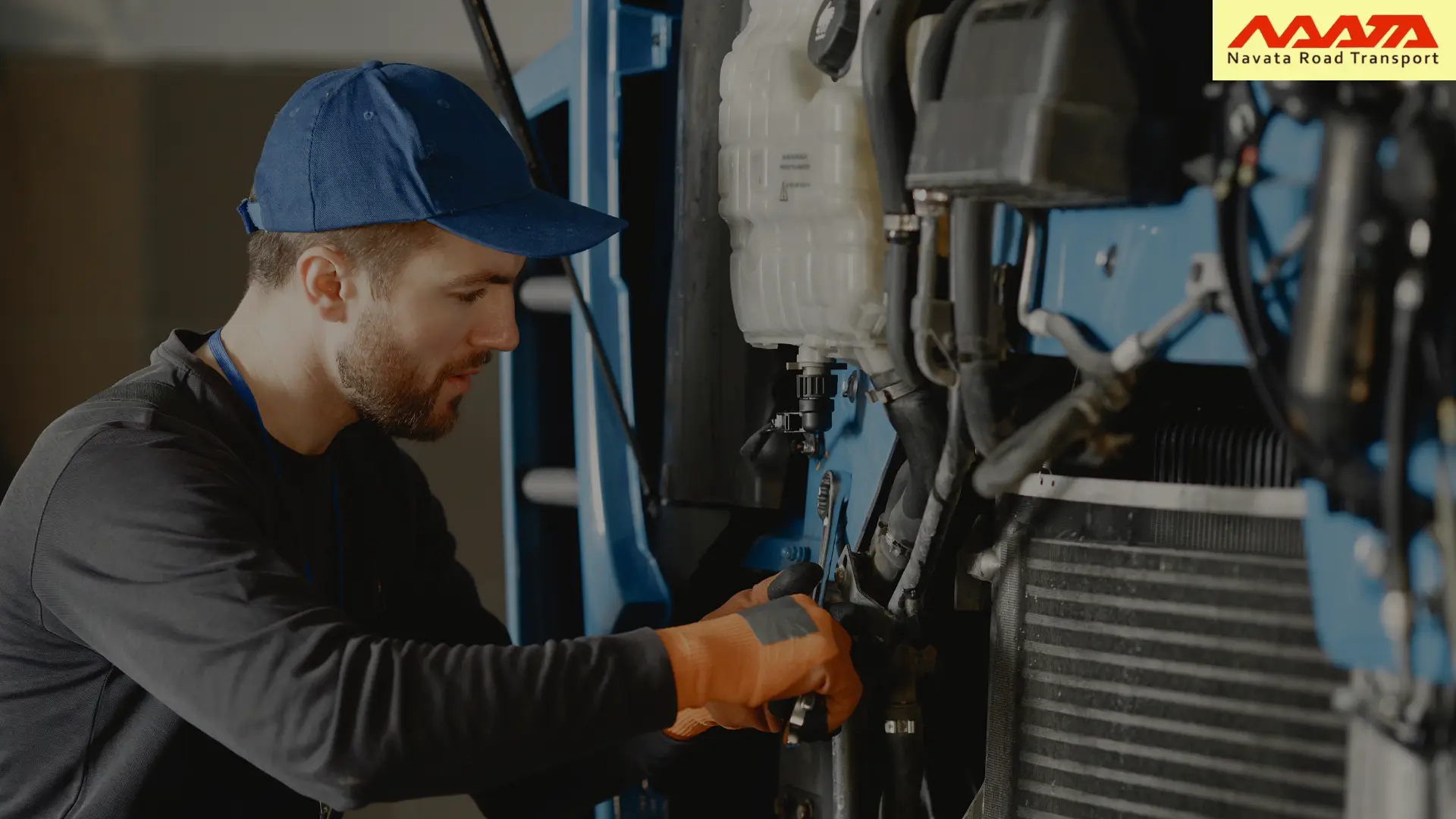
Preventive maintenance is a proactive strategy where vehicles and equipment are serviced at scheduled intervals based on time, usage hours, or condition data.
It includes:
Engine diagnostics
Tire and brake inspections
Fluid checks and replacements
Filter changes
Predictive alerts via telematics sensors
The goal is simple: prevent failures before they occur, ensuring uninterrupted fleet operations.
What Is Breakdown Maintenance in Logistics?
Breakdown—or corrective—maintenance occurs only after a vehicle fails or stops functioning. This often results in:
Costly emergency repairs
Towing expenses
Delivery delays
Missed SLAs
Customer dissatisfaction
It is unpredictable and disrupts logistics performance, especially in long-haul transport and multi-drop delivery operations.
1. Cost Impact: Preventive vs. Breakdown Maintenance
Preventive Maintenance Costs
Preventive maintenance is consistent, predictable, and significantly cheaper over time.
Typical cost structure:
Scheduled servicing
Component replacements
Routine diagnostics
Predictive alerts through fleet telematics
Preventive maintenance reduces:
Emergency repairs by 40–60%
Fuel consumption by 8–12%
Unplanned downtime by 56%+
Long-term component damage
Breakdown Maintenance Costs
Breakdown costs are always higher because failures cause cascading damage.
Hidden cost layers include:
Emergency repair labor (2–3× higher)
Towing charges
Replacement part premiums
Fuel wastage before failure
Delay penalties from customers
Backup vehicle deployment
On average, breakdown maintenance increases total maintenance costs by 30–45% per year.
2. Operational Impact: Uptime vs. Downtime
Preventive Maintenance = Higher Uptime
With scheduled servicing and real-time alerts:
Vehicles stay road-ready
Deliveries maintain punctuality
Asset lifespan increases
Dispatching becomes predictable
Safety improves significantly
For logistics firms, higher uptime directly strengthens service reliability and customer retention.
Breakdown Maintenance = Expensive Downtime
When vehicles fail on the road:
Deliveries halt immediately
Customer SLAs break
Inventory arrival is delayed
Drivers lose productive hours
Fleet performance KPIs drop
Every hour of downtime can cost a logistics company ₹3,000–₹10,000+, depending on load type.
3. Safety & Compliance Impact
Preventive Maintenance Enhances Safety
Routine inspections catch:
Brake issues
Tire wear
Steering faults
Engine overheating risks
This helps fleets meet:
AIS-140 norms
CMVR compliance
RTO safety checks
Emission standards
Fewer failures mean fewer accidents and legal risks.
Breakdown Maintenance Compromises Safety
Most on-road breakdowns are caused by:
Blown tires
Brake failures
Engine overheating
Electrical system failure
These faults are preventable but become safety hazards when ignored.
4. Fuel Efficiency & Vehicle Health
Preventive Maintenance Improves Fuel Economy
Well-maintained vehicles deliver:
Smoother engine performance
Optimal tire pressure
Reduced idling
Better load handling
This can save 5–10% fuel per vehicle, a major expense in logistics.
Breakdown Maintenance Wastes Fuel
Vehicles running with:
Poor engine tuning
Underinflated tires
Clogged fuel lines
Worn-out components
consume significantly more fuel before eventually failing.
5. Long-Term Asset Lifecycle Cost
Preventive Maintenance Extends Vehicle Life
Routine servicing protects:
Engine
Transmission
Suspension
Braking system
A fleet that follows preventive maintenance can extend asset lifespan by 2–4 years.
Breakdown Maintenance Shortens Asset Life
Unserviced parts affect:
Structural integrity
Engine health
Vehicle resale value
Emergency fixes often mask deeper damage, reducing lifetime efficiency.
6. Customer Experience & SLA Performance
Preventive Maintenance Supports High SLA Compliance
Fewer delays
Accurate ETA commitments
Higher first-attempt delivery success
Better reliability for time-sensitive cargo
This builds long-term customer trust.
Breakdown Maintenance Damages Reputation
Shipment delays
Repeated route failures
Missed deadlines
Angry customers
Increased churn
In logistics, reliability is everything—breakdowns directly impact brand value.
7. Cost Difference Preventive vs Breakdown Maintenance
Preventive maintenance consistently outperforms breakdown maintenance across cost, uptime, safety, and customer satisfaction. For logistics companies operating under competitive pressure, a proactive, telematics-enabled maintenance model is no longer optional but essential for profitability.
Fleets that prioritize preventive maintenance benefit from lower lifetime operating costs, higher vehicle reliability, stronger SLA adherence, and improved customer retention. It also creates a safer, more predictable logistics environment. This is why modern logistics operators across the industry are rapidly shifting toward data-driven preventive maintenance strategies to secure long-term efficiency and sustained operational excellence.
Thank You For Reading: Preventive vs Breakdown Maintenance in Logistics: The Real Cost Difference