In trucking, time is the asset that runs out first. Fuel can be refilled. Drivers can be rotated. Trucks can be repaired. Lost time cannot be recovered once a route is delayed.
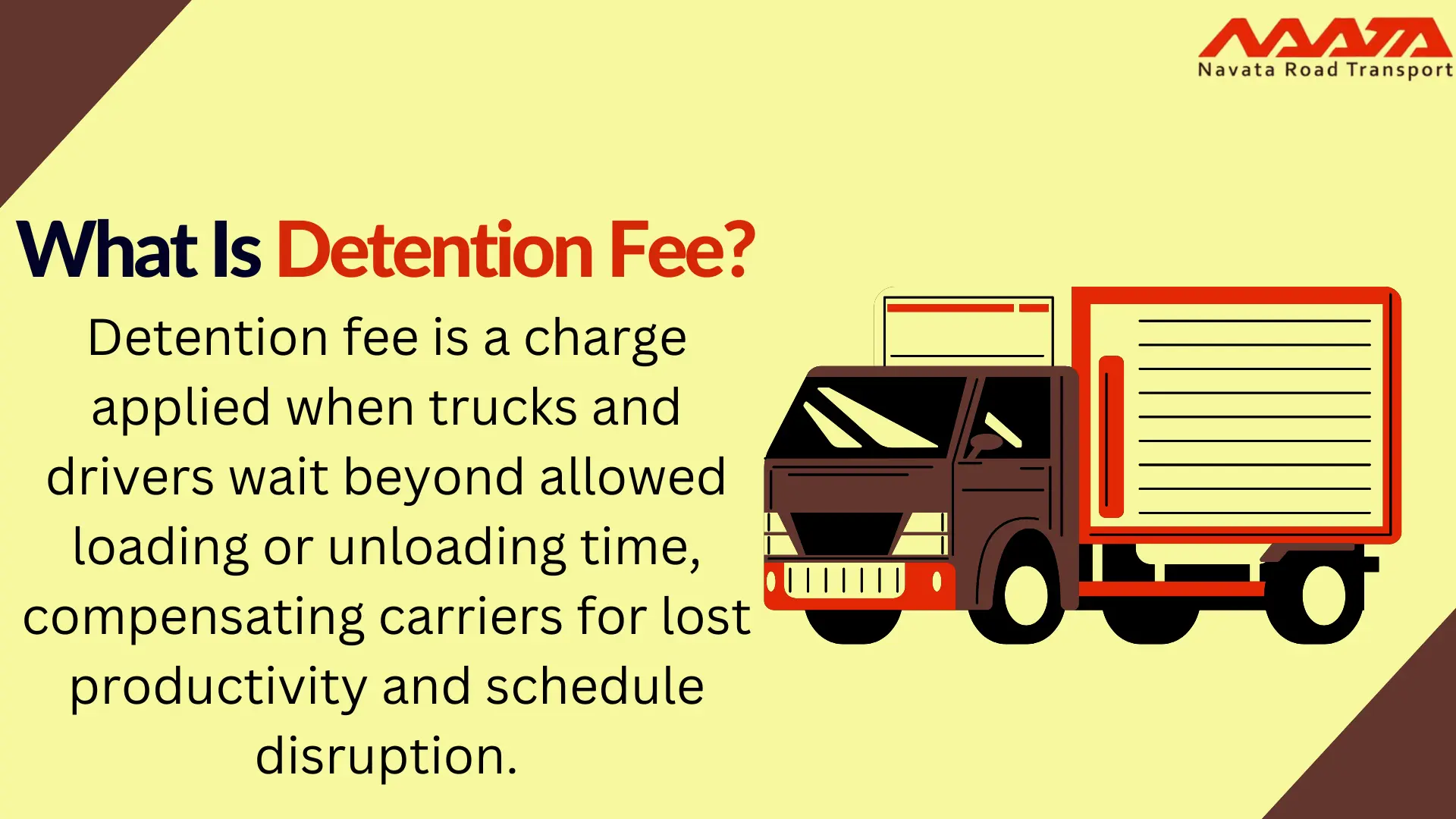
Detention fees exist because of this single truth. When a truck waits longer than agreed at a loading or unloading point, the cost of that waiting has to be absorbed by someone. Detention is how that cost is accounted for.
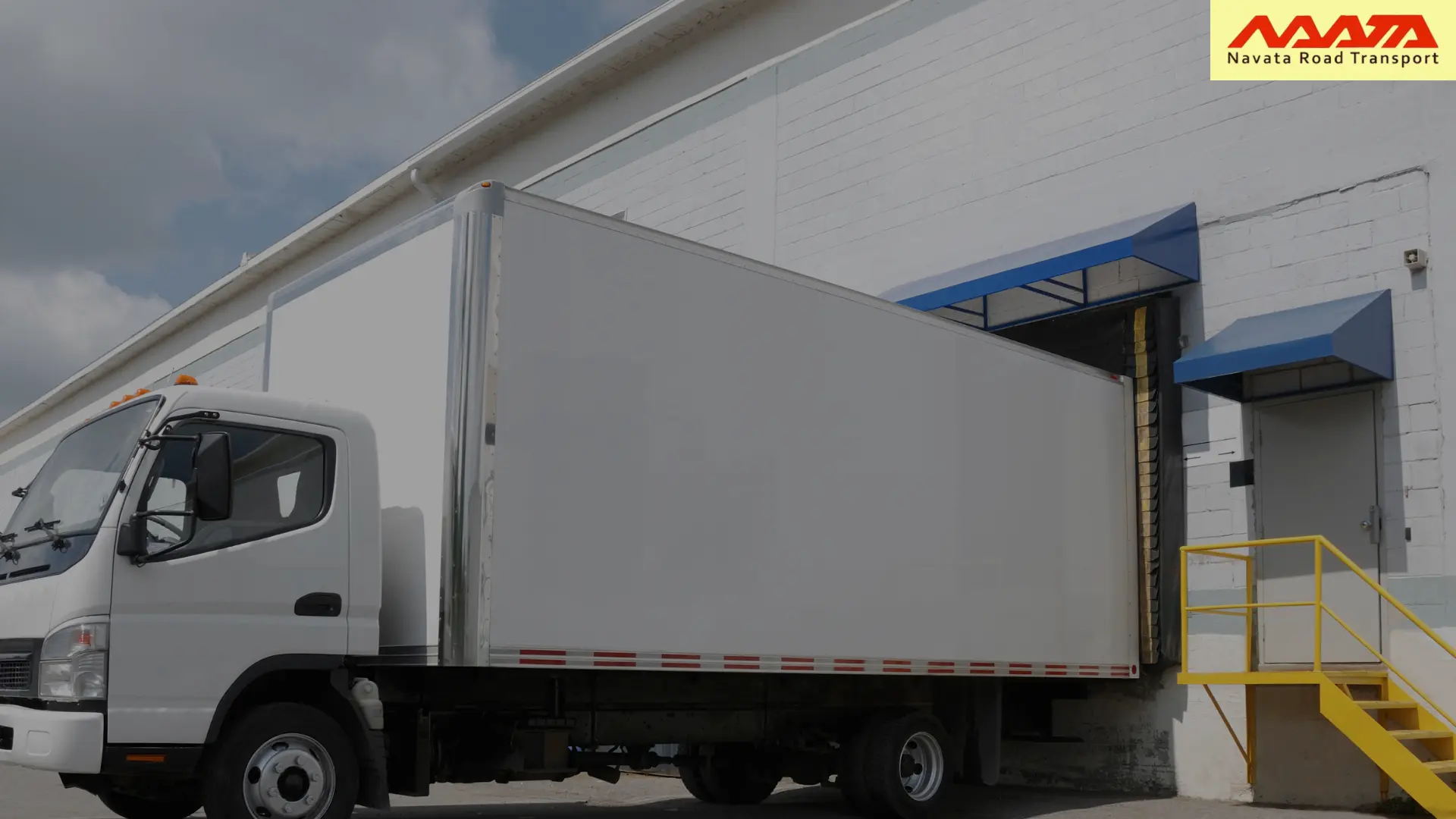
Detention occurs when a truck reaches a facility on time, but the facility is not ready. The driver waits. The engine may be off, but the clock is not.
This waiting time starts small. Thirty minutes becomes an hour. One hour pushes the next pickup. The next pickup pushes driver hours. Soon, the entire day’s plan is compromised.
Detention fees are charged once the free waiting time expires. They are not penalties. They are compensation for a vehicle and driver being removed from productive movement.
Why Detention Is Common in Trucking Operations?
Detention does not happen because people are careless. It happens because logistics systems are tightly packed with very little margin.
Most facilities schedule trucks based on ideal conditions. In reality, labor availability shifts. Dock equipment fails. Inbound volumes spike without warning. When any one of these happens, trucks start queueing.
Once trucks queue, clearing the backlog takes longer than expected. Each arriving truck adds pressure to the system. Detention becomes inevitable, not accidental.
Every transport agreement includes a free waiting period. This window exists because some delay is unavoidable in physical operations.
The problem begins when free time is treated as usable time. Facilities start planning around it. What was meant to absorb variability becomes part of the schedule. When this happens, detention is no longer an exception. It becomes routine.
Once free time ends, detention charges apply. From that point onward, every additional minute directly erodes transport efficiency.
How Detention Fees Are Calculated
Detention charges are simple in structure but sensitive in execution. The clock starts when the truck reports on time. It stops when loading or unloading is completed.
Only the time beyond the free window is billable. However, without accurate arrival logs and dock timestamps, disputes are common. Poor data turns a clear operational cost into a commercial argument.
Detention vs Demurrage: Why the Difference Matters
Detention applies to trucks waiting at facilities. Demurrage applies to cargo or containers waiting at terminals.
The distinction matters because the risks are different. Detention disrupts vehicle cycles and driver utilization. Demurrage disrupts storage flow and terminal capacity. Treating them as the same problem leads to the wrong fixes.
The Hidden Cost of Detention
The detention fee itself is the smallest part of the damage.
Repeated detention reduces the number of trips a truck can complete in a day. Carriers start padding schedules. Freight rates quietly increase to offset the risk. Drivers avoid facilities known for long waits.
Over time, detention turns into a reputation issue. Facilities that delay trucks find it harder to secure reliable capacity, especially during peak demand.
How Strong Logistics Operations Reduce Detention?
The best operations do not chase faster loading. They design for readiness.
Loads are staged before trucks arrive. Dock schedules reflect actual handling capacity, not optimistic assumptions. Arrival and departure times are tracked closely, not for billing, but for improvement.
When facilities respect truck time, detention naturally declines. When they don’t, no contract clause can fix the problem.
Detention fees are not a paperwork issue. They are a signal that time is being lost inside the logistics system.
Operations that understand this treat every waiting truck as a failure to plan. Those that don’t pay for it repeatedly — in fees, in rates, and eventually in lost trust.
Thank You For Reading: What Is Detention Fee in Trucking?