What Is Drayage in Logistics? Meaning, Process, Types, and Cost Impact
Table of Contents
What Is Drayage in Logistics?
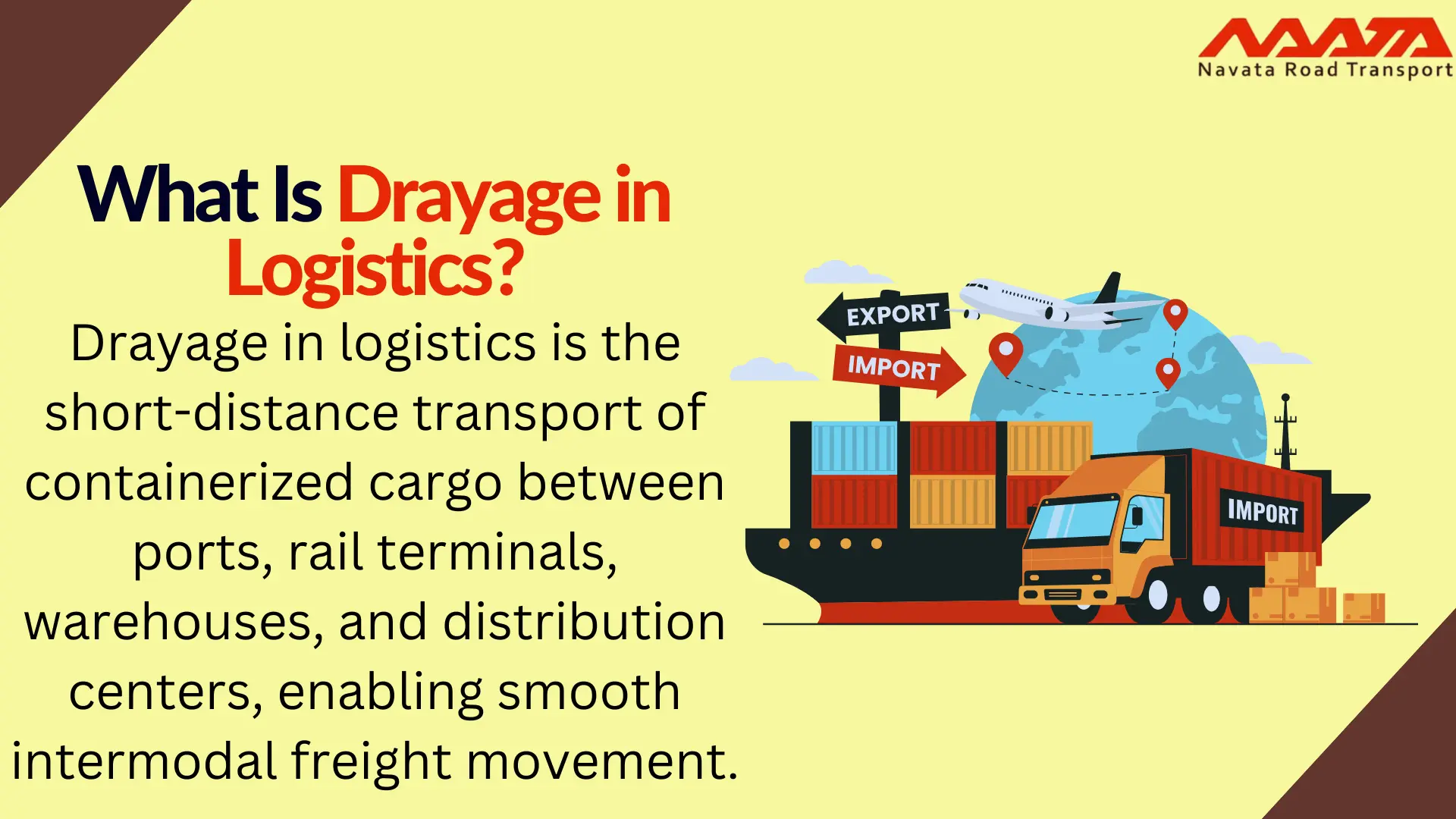
Drayage in logistics refers to the short-distance transportation of containerized freight, typically moving goods between ports, rail terminals, warehouses, and distribution centers. It acts as the first-mile or last-mile link within intermodal freight movement.
Drayage usually covers short hauls—often under 50 miles—but it is time-sensitive, highly regulated, and closely tied to port and rail operations.
Where Drayage Fits in the Supply Chain
Drayage connects major freight nodes that cannot be directly linked by long-haul transport. Common drayage movements include:
Port to nearby warehouse or container yard
Port to rail terminal for intermodal transfer
Rail ramp to distribution center
Container yard to final consolidation point
Without efficient drayage, containers remain stuck at ports or rail yards, leading to congestion, demurrage charges, and missed delivery schedules.
How Drayage Works: Step-by-Step
A typical drayage operation follows a structured sequence:
A container arrives at a port or rail terminal
A drayage truck is dispatched to pick up the container
The container is moved to a nearby facility (warehouse, rail ramp, or depot)
The container is dropped, unloaded, or transferred
The drayage vehicle returns or takes another assignment
Although the distance is short, drayage involves strict scheduling, compliance checks, equipment availability, and coordination with port authorities.
Why Drayage Is Critical for Modern Logistics
Drayage has moved from a supporting function to a strategic cost and performance driver. Its importance has grown due to:
Efficient drayage ensures faster container turnaround, reduced dwell time, and smoother inland freight movement.
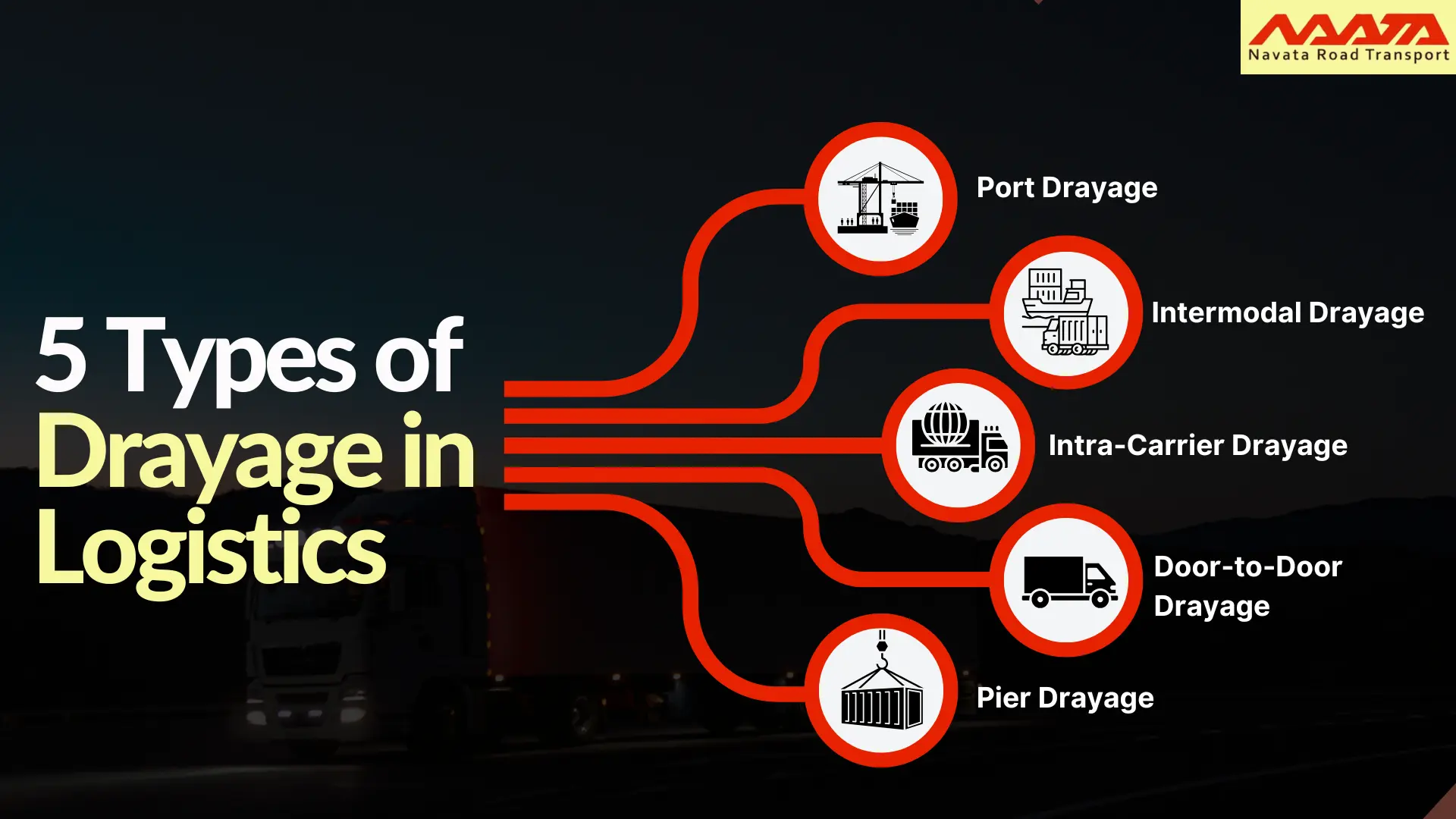
Types of Drayage in Logistics
Different supply chain scenarios require different drayage models. The most common types include:
Port Drayage
Moves containers between seaports and nearby warehouses, yards, or rail terminals. This is the most common form of drayage and is highly time-sensitive due to port congestion and demurrage rules.
Intermodal Drayage
Transfers containers between rail terminals and trucking hubs, enabling seamless rail-to-road freight movement.
Intra-Carrier Drayage
Occurs when freight is moved within the same carrier’s network, often between terminals owned by the same logistics provider.
Pier Drayage
Involves container movement between different terminals within the same port facility, usually to align with vessel schedules or customs requirements.
Door-to-Door Drayage
Combines short-haul drayage with final delivery, commonly used in urban or regional distribution models.
Key Challenges in Drayage Operations
Despite its importance, drayage faces multiple operational challenges:
Port congestion and unpredictable wait times
Limited truck and chassis availability
Regulatory compliance and driver shortages
High fuel and labor costs
Poor coordination between ports, rail, and trucking
These challenges make drayage one of the most cost-sensitive segments of logistics.
How Technology Is Transforming Drayage
Modern drayage operations increasingly rely on digital systems to improve reliability and reduce costs. Key technologies include:
These tools help reduce idle time, improve asset utilization, and enhance delivery predictability.
Drayage Costs and Their Impact on Freight Economics
Drayage costs are influenced by:
Distance and turnaround time
Port congestion levels
Fuel prices
Equipment availability
Waiting and detention charges
Poorly managed drayage can significantly increase total landed cost, even though it represents a short segment of the journey.
Conclusion
Drayage in logistics may cover short distances, but its impact on supply chain performance is substantial. As global trade volumes rise and intermodal freight becomes more complex, efficient drayage operations are essential for reducing delays, controlling costs, and maintaining delivery commitments. For logistics providers and shippers alike, optimizing drayage is no longer optional—it is a competitive necessity.
Thank You For Reading: What Is Drayage in Logistics? Meaning, Process, Types, and Cost Impact