Why Cheaper Transporters Cost More in the Long Run?
Table of Contents
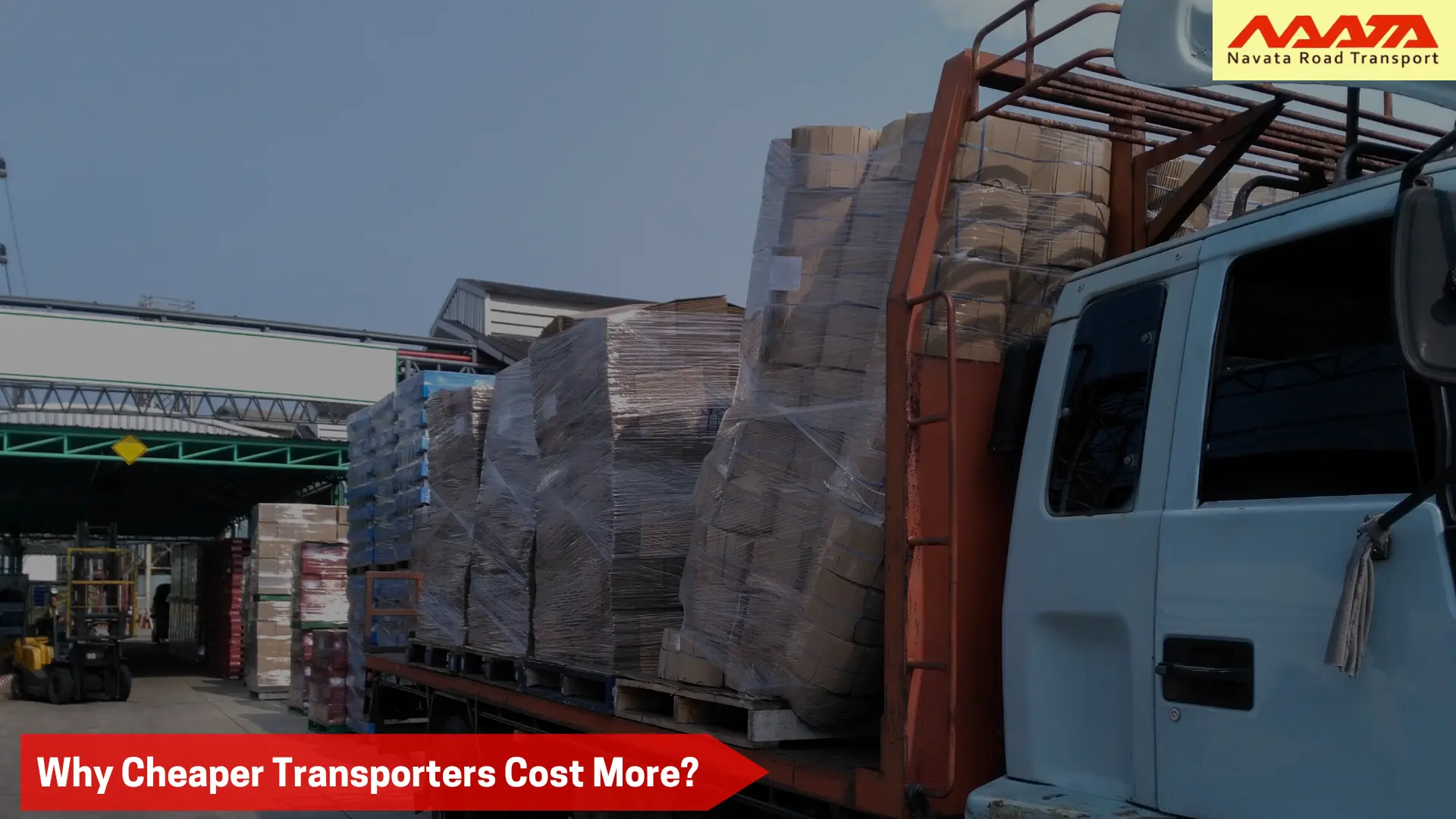
Why Cheaper Transporters Cost More?
Choosing a low-cost transporter may look attractive on paper, but in logistics, the cheapest option often becomes the most expensive mistake. Hidden delays, damaged shipments, unpredictable service, and operational inefficiencies quickly erase the initial savings — and in many cases, create even bigger losses. Reliable logistics is not a cost; it is a multiplier of customer satisfaction, brand trust, and long-term profitability.
This blog breaks down why cheaper transporters end up costing significantly more across operations, productivity, and customer experience.
Low-cost transporters often run on thin margins, which directly affects fleet quality, route planning, and workforce strength.
Ageing vehicles increase breakdown risks.
Poor routing leads to longer transit times.
Undertrained drivers result in avoidable delays.
Late deliveries damage customer relationships and increase penalty charges, re-shipping costs, and workload for customer support teams.
End result: The financial and reputational cost of unreliable delivery far exceeds the initial savings.
2. Hidden Charges Increase Total Cost
Cheaper rates often come with hidden costs that only appear after the shipment is booked.
Common examples include:
Extra handling charges
Fuel adjustments
Detention charges
Last-mile add-ons
Weekend and holiday surcharges
When these accumulate, the “cheaper transporter” ends up being significantly costlier than standard service providers who maintain transparent pricing.
3. Higher Damage Rates Due to Poor Handling
Lower-priced transporters typically compromise on packaging standards, loading practices, warehouse safety, and forklift training.
This leads to:
Product damage
Leakage or breakage
Material loss
Customer returns and reverse logistics
The cost of refunding, replacing, and reshipping damaged goods is always greater than the small upfront savings on transportation.
4. No Real-Time Transparency or Tracking
Cheaper providers rarely invest in modern fleet monitoring, GPS tracking, route analytics, or automated alerts.
This results in:
Zero visibility during transit
Difficulty answering customer queries
Inability to predict delays
Higher risk of theft or misrouting
In today’s logistics environment, visibility is non-negotiable. Lack of tracking leads to inefficiency, lost shipments, and poor customer satisfaction — all of which cost money.
Cheap transporters may seem cost-effective at the start, but the savings end quickly. As operations progress, hidden expenses from delays, damaged shipments, inefficient processes, weak customer support, and compliance issues make low-cost providers significantly more expensive in the long run.
Choosing a reliable logistics partner delivers predictable delivery timelines, real-time visibility, reduced damage rates, transparent pricing, strong customer support, and consistently higher customer satisfaction. In logistics, the best transporter isn’t the cheapest — it’s the one that protects your time, money, and reputation.
Thank You For Reading: Why Cheaper Transporters Cost You More in the Long Run?