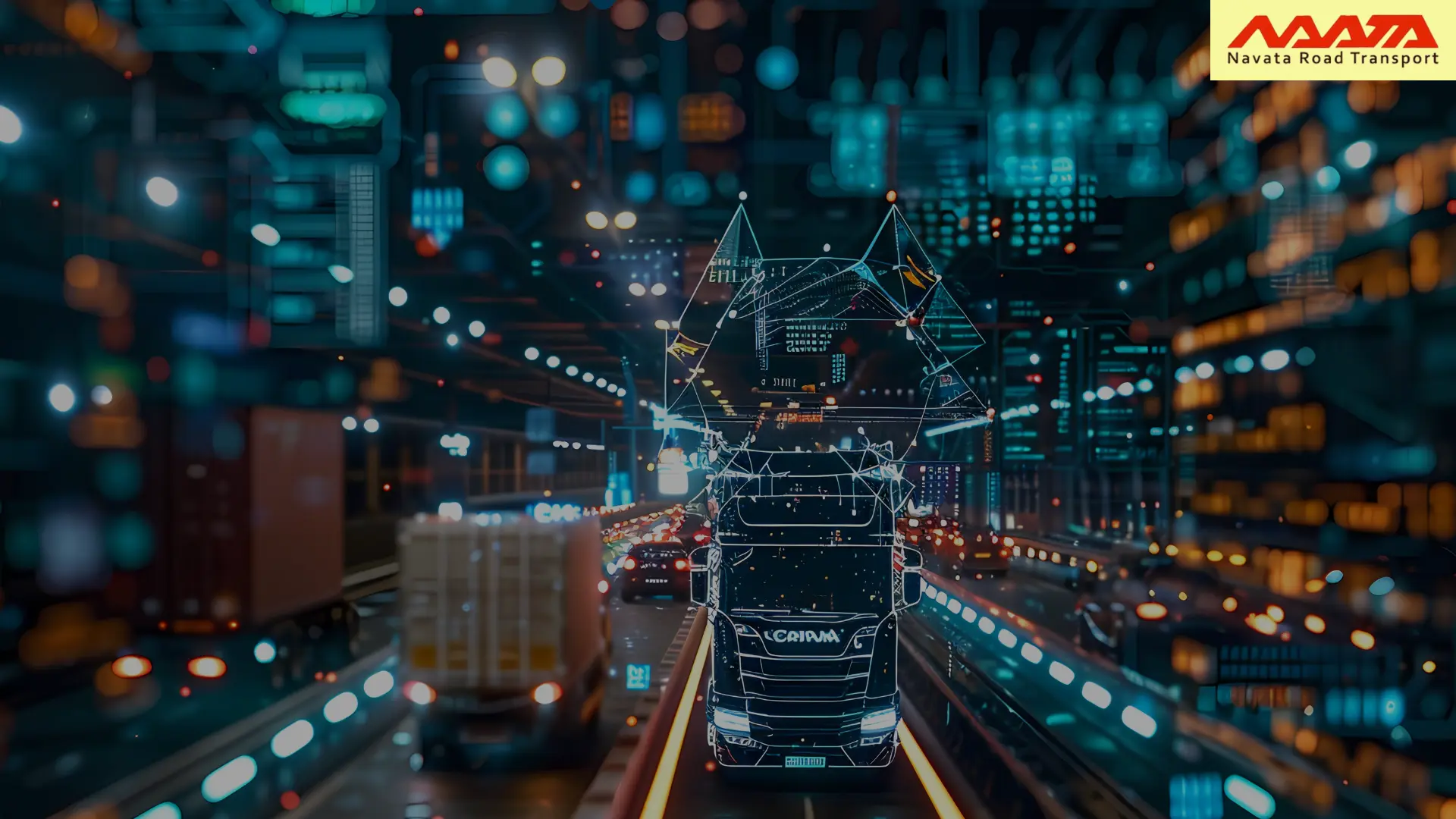
In hyper-connected logistics ecosystem, managing fleets efficiently is no longer optional—it’s a competitive advantage. Traditional on-premise systems often struggle with data silos, delayed updates, and limited scalability. A cloud-based fleet management system eliminates these barriers, empowering logistics and transport companies with real-time visibility, predictive intelligence, and operational control.
One of the biggest advantages of cloud fleet management systems is cost optimization. By integrating telematics, route optimization software, and predictive analytics, companies can cut fuel and maintenance costs by up to 30%.
Route optimization minimizes idle time and distance traveled, directly reducing fuel wastage.
Predictive maintenance analyzes vehicle health data to anticipate breakdowns before they happen, saving costly unplanned repairs.
Centralized data in the cloud enables better cost forecasting, allowing managers to plan budgets more effectively.
Fleet managers can access dashboards from anywhere, helping them make informed, data-backed financial decisions that reduce unnecessary expenses and maximize ROI.
2. Increased Productivity
Manual scheduling, paper-based reporting, and fragmented communication often slow down fleet operations. With a cloud-based fleet management solution, these inefficiencies are eliminated through automation and intelligent workflows.
Automated dispatching and scheduling optimize driver assignments and routes in real time.
Integration with IoT and GPS data ensures continuous updates on delivery progress.
Cloud access allows team members to collaborate seamlessly, even across multiple locations.
As a result, managers spend less time handling paperwork and more time focusing on strategic decision-making and business growth.
3. Real-Time Visibility and Control
In logistics, visibility equals control. Cloud-based fleet platforms offer real-time tracking, giving managers a 360° view of every vehicle’s status, driver behavior, and shipment movement.
Live GPS tracking enhances transparency and accountability across the supply chain.
Automated alerts and geofencing notify managers of route deviations, delays, or unsafe driving practices.
Integration with driver mobile apps improves communication and route adherence.
This visibility reduces the risk of theft, improves customer service with accurate ETAs, and ensures proactive fleet management rather than reactive problem-solving.
4. Data-Driven Decision Making
The cloud transforms fleet data into actionable insights. By combining historical and real-time analytics, managers can uncover hidden patterns in performance, fuel usage, and driver productivity.
Advanced data visualization helps spot inefficiencies instantly.
Predictive analytics forecast demand, fuel consumption, and vehicle wear.
KPIs can be continuously tracked to measure and enhance operational performance.
Such data-driven decision-making allows logistics firms to optimize fleet utilization, allocate resources efficiently, and enhance overall business intelligence.
5. Scalability and Flexibility
Whether managing ten or ten thousand vehicles, a cloud-based fleet management system scales effortlessly. It grows with your business — without complex installations or IT overhead.
Add new vehicles, users, or routes instantly through the admin console.
Cloud deployment ensures zero downtime during scaling.
Integrations with ERP, CRM, and IoT platforms enhance system flexibility.
This adaptability makes cloud solutions ideal for expanding logistics enterprises, franchise-based operations, and seasonal businesses that require dynamic scalability.
6. Enhanced Safety and Compliance
Safety and compliance are central to fleet management. Cloud systems leverage AI and telematics to monitor driver behavior, flag violations, and generate compliance reports automatically.
Driver performance tracking helps identify risky habits like harsh braking or speeding.
Fleet managers can design targeted safety training programs using performance analytics.
Cloud compliance tools simplify adherence to local, national, and international transport regulations.
This not only ensures road safety but also protects the organization from penalties, reputation damage, and legal risks.
7. Sustainability and Green Logistics
As sustainability becomes a priority for modern businesses, cloud-based fleet management supports green logistics through intelligent optimization.
Route planning algorithms reduce fuel consumption and carbon emissions.
Idle time analysis helps enforce eco-friendly driving habits.
Data-driven insights contribute to Environmental, Social, and Governance (ESG) reporting.
By reducing environmental impact and improving fuel efficiency, companies can align their operations with sustainability goals while maintaining profitability.
The adoption of cloud fleet management solutions is accelerating globally due to their ability to combine mobility, analytics, and scalability into one unified system. These platforms provide a single source of truth across operations, enabling logistics teams to manage every aspect of their fleet — from asset utilization to delivery performance — from anywhere, anytime.
Moreover, the subscription-based (SaaS) model of most cloud platforms ensures lower upfront investment, automatic updates, and continuous innovation without the need for large IT teams.
Thank You For Reading: 7 Benefits of Cloud-Based Fleet Management System