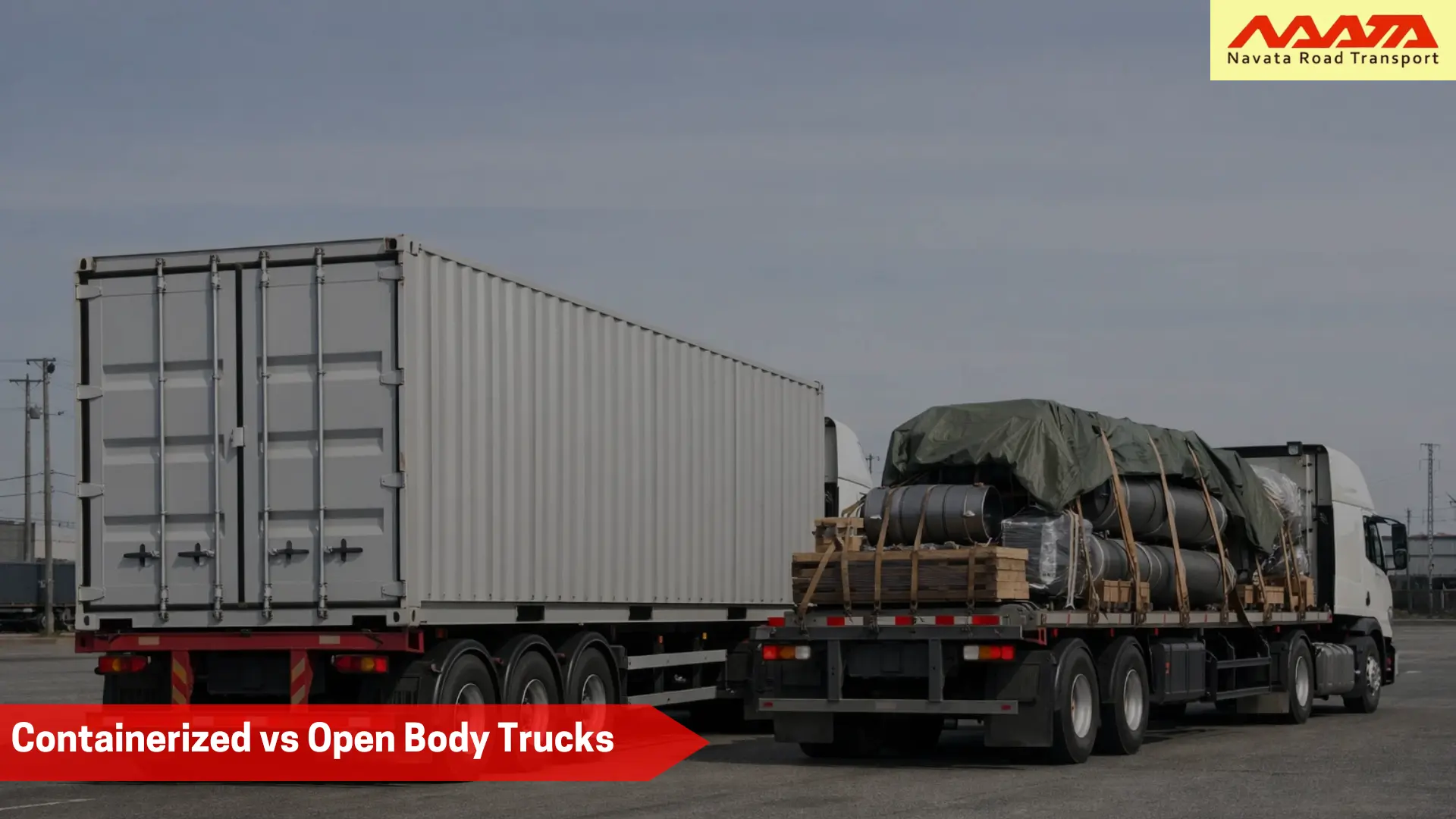
Containerized vs Open Body Trucks: Choosing the Right Vehicle for Logistics Operations
Table of Contents
Containerized vs Open Body Trucks
Selecting the right truck type is not a vehicle decision—it is an operational risk decision.
The choice between containerized trucks and open body trucks directly affects cargo safety, transit reliability, compliance exposure, insurance costs, and customer confidence.
Yet many logistics decisions default to availability or cost per trip, ignoring how vehicle selection impacts the entire movement lifecycle.
This article breaks down containerized and open body trucks from a practical logistics execution perspective, helping businesses choose based on cargo behavior, route conditions, and service commitments.
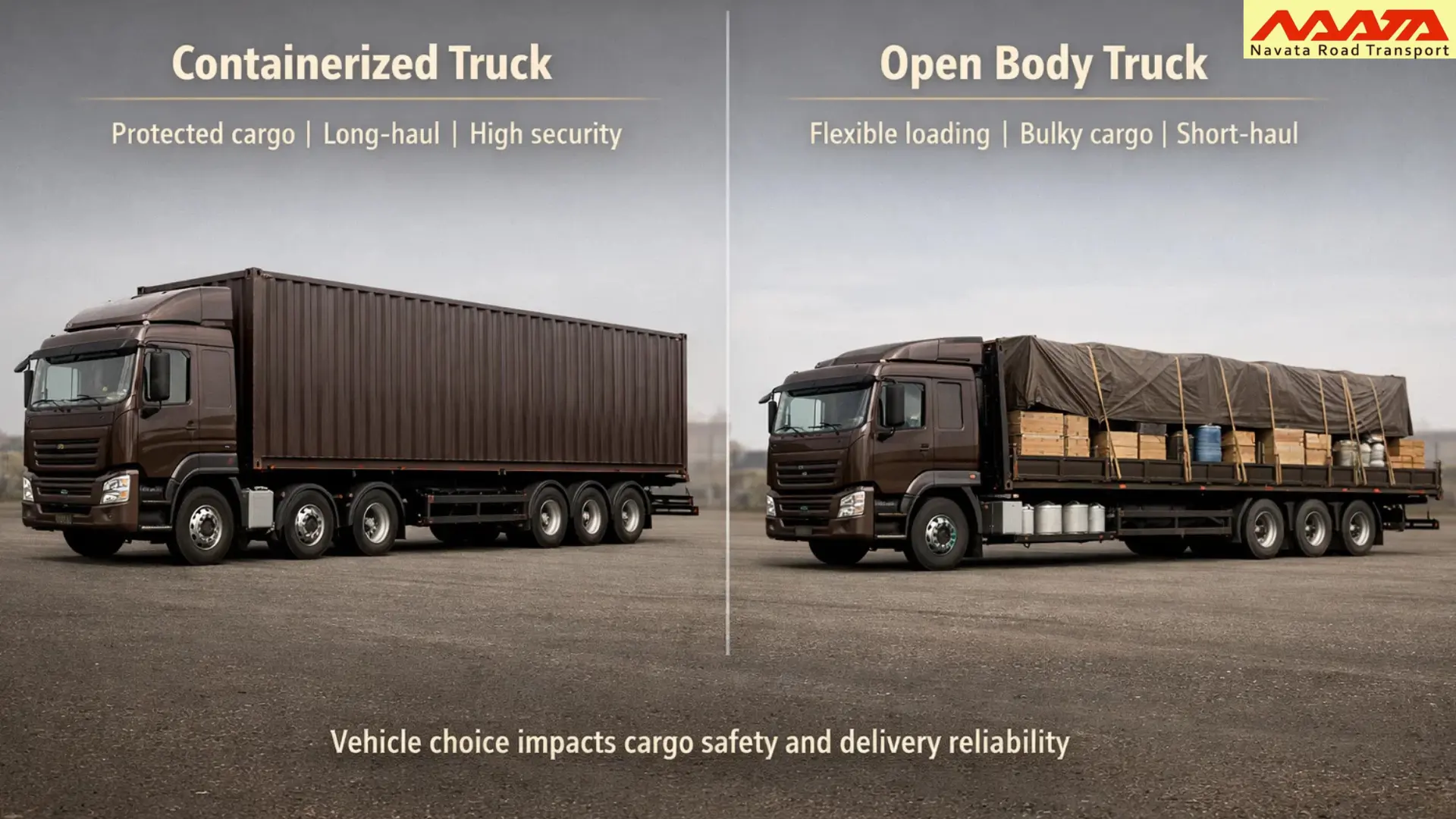
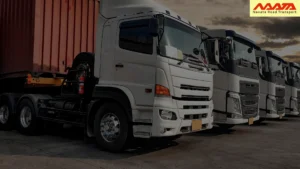
Containerized trucks are enclosed vehicles designed to protect cargo from external exposure. The container structure provides physical security, weather protection, and controlled handling during transit.
From a logistics standpoint, containerized trucks introduce predictability. Cargo condition remains stable regardless of weather, road conditions, or intermediate handling points. This makes them especially suitable for long-haul routes, high-value goods, and time-sensitive deliveries.
Their enclosed design also simplifies compliance with insurance, safety standards, and customer SLAs, particularly where cargo integrity is non-negotiable.
Understanding Open Body Trucks in Logistics
Open body trucks are flatbed or partially enclosed vehicles designed for flexibility rather than protection. They allow cargo to be loaded from multiple sides and accommodate irregular or oversized loads.
In logistics operations, open body trucks excel where cargo shape, loading speed, or site accessibility matters more than environmental protection. They are commonly used for construction materials, industrial equipment, and short-distance movements where exposure risk is manageable.
However, open body trucks shift responsibility to securing methods, tarpaulin coverage, and handling discipline—introducing higher variability in cargo condition and transit outcomes.
Cargo Safety and Damage Risk
Cargo protection is the most visible difference between the two.
Containerized trucks significantly reduce exposure to rain, dust, theft, and handling damage. This makes them the preferred option for FMCG, electronics, pharmaceuticals, textiles, and packaged goods where damage directly impacts customer trust.
Open body trucks rely on external coverings and load restraints. While effective for rugged or non-sensitive cargo, they increase risk for packaged or high-value shipments—especially on long routes or unpredictable weather conditions.
In environments where damage claims and service failures carry reputational cost, containerization offers a clear advantage.
Route Conditions and Distance Considerations
Distance amplifies risk.
For long-haul, multi-state, or overnight movements, containerized trucks provide consistency across changing road, weather, and traffic conditions. They reduce mid-route interventions and inspection delays.
Open body trucks are better suited for:
short-haul movements
controlled routes
site-to-site industrial transport
As route complexity increases, the operational reliability gap between the two widens.
Loading, Unloading, and Operational Flexibility
Open body trucks offer faster and more flexible loading, especially in environments without docks or material-handling equipment. Side loading, crane access, and irregular cargo placement are easier to manage.
Containerized trucks require structured loading and unloading, often through docks or rear access. While this adds discipline, it can slow operations in unprepared facilities.
The trade-off is clear: speed and flexibility versus control and consistency.
Open body trucks expose cargo during transit and stoppages, increasing vulnerability to pilferage—particularly in high-risk corridors or urban holding zones.
Containerized trucks reduce visual exposure and unauthorized access, making them the preferred choice where theft risk or insurance scrutiny is high.
For many enterprises, lower pilferage alone justifies the cost difference.
Cost Structure and Hidden Trade-Offs
Open body trucks often appear cheaper at face value due to lower vehicle and operating costs. However, this view ignores downstream risks.
Containerized trucks may carry higher upfront costs but reduce:
cargo damage claims
insurance premiums
service failures
customer escalations
When evaluated end-to-end, containerized transport often delivers lower total logistics cost, not lower trip cost.
Compliance, Insurance, and Customer SLAs
Containerized trucks align better with structured logistics contracts, insurance requirements, and enterprise SLAs. They simplify documentation, claims handling, and audit processes.
Open body trucks require tighter operational discipline to meet the same standards. Any lapse in securing or covering cargo can shift liability back to the shipper or transporter.
For B2B contracts, regulated industries, and branded supply chains, containerization reduces compliance friction.
Making the Right Choice: Containerized vs Open Body Trucks
There is no universally “better” option—only a better fit.
Containerized trucks are ideal when:
cargo value or sensitivity is high
routes are long or unpredictable
service reliability is critical
Open body trucks are suitable when:
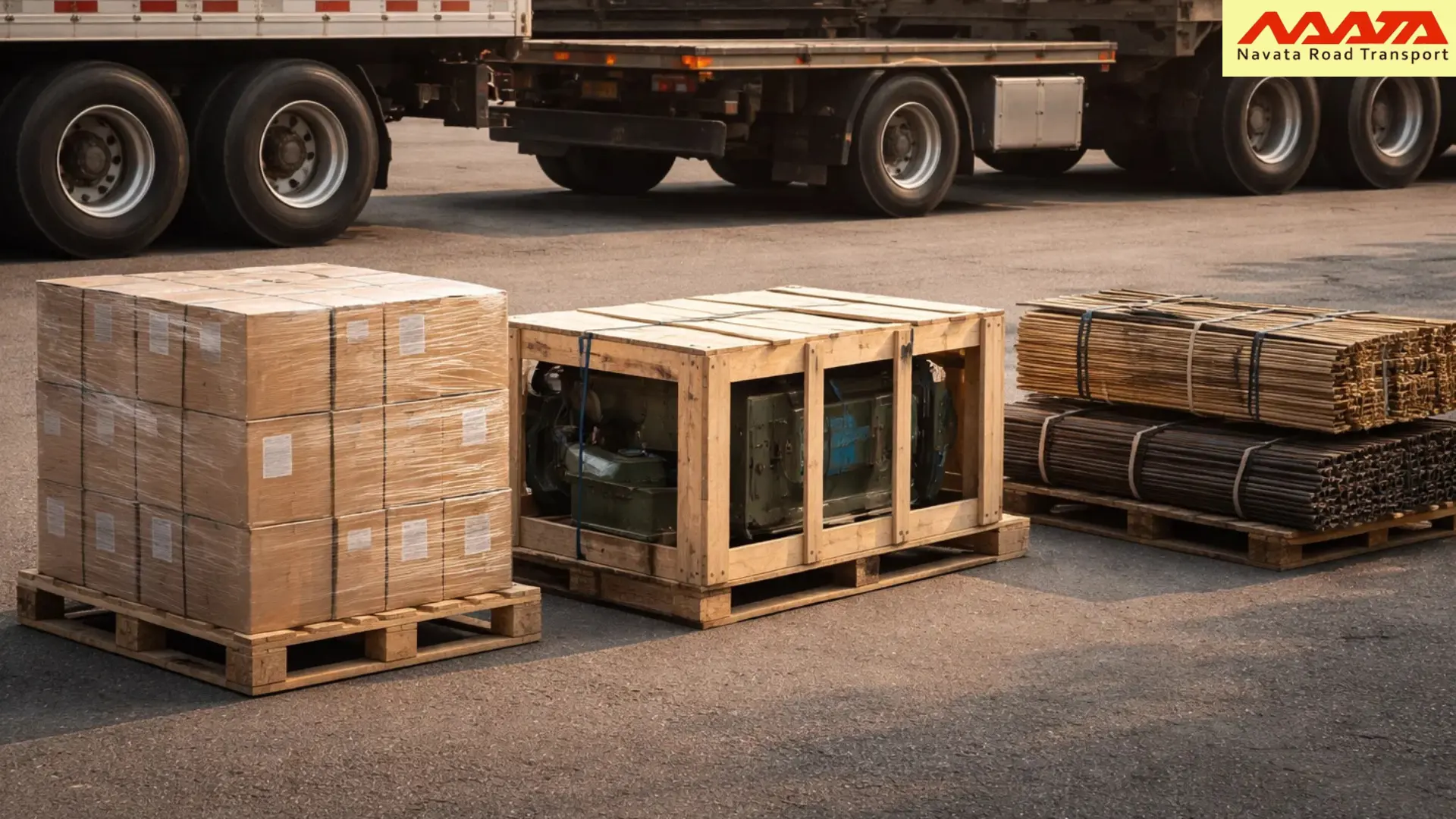
cargo is oversized, rugged, or irregular
routes are short and controlled
loading speed and flexibility matter
The right decision depends on cargo behavior, route risk, and service expectations, not just cost per trip.
The choice between containerized and open body trucks is not a vehicle preference—it is a logistics strategy decision.
Containerized trucks prioritize control, protection, and predictability.
Open body trucks prioritize flexibility and handling convenience.
Organizations that choose based on cargo characteristics and operational risk build resilient logistics networks. Those that choose based only on availability or price absorb hidden costs later—through damage, delays, and lost trust.
In logistics, the right vehicle is the one that protects outcomes, not just cargo.
Thank’s For Reading: Containerized vs Open Body Trucks: Choosing the Right Vehicle for Logistics Operations