Road Traffic Problems: Causes, Effects & Solutions
Table of Contents
What Are Road Traffic Problems?
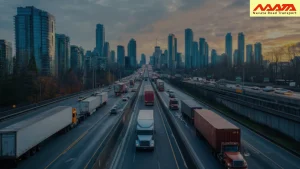
Road traffic problems are one of the most persistent operational challenges in global logistics. As urban populations grow and freight volumes rise, road networks in nearly every region are under increasing strain. Industry research consistently shows that congestion is not just a commuter inconvenience it carries a measurable cost in lost time, wasted fuel, and missed delivery windows for freight movers around the world.
Understanding what causes traffic problems, how they ripple through supply chains, and what actually reduces them is essential for any business that depends on road transport to move goods reliably.
Major Causes of Road Traffic Problems
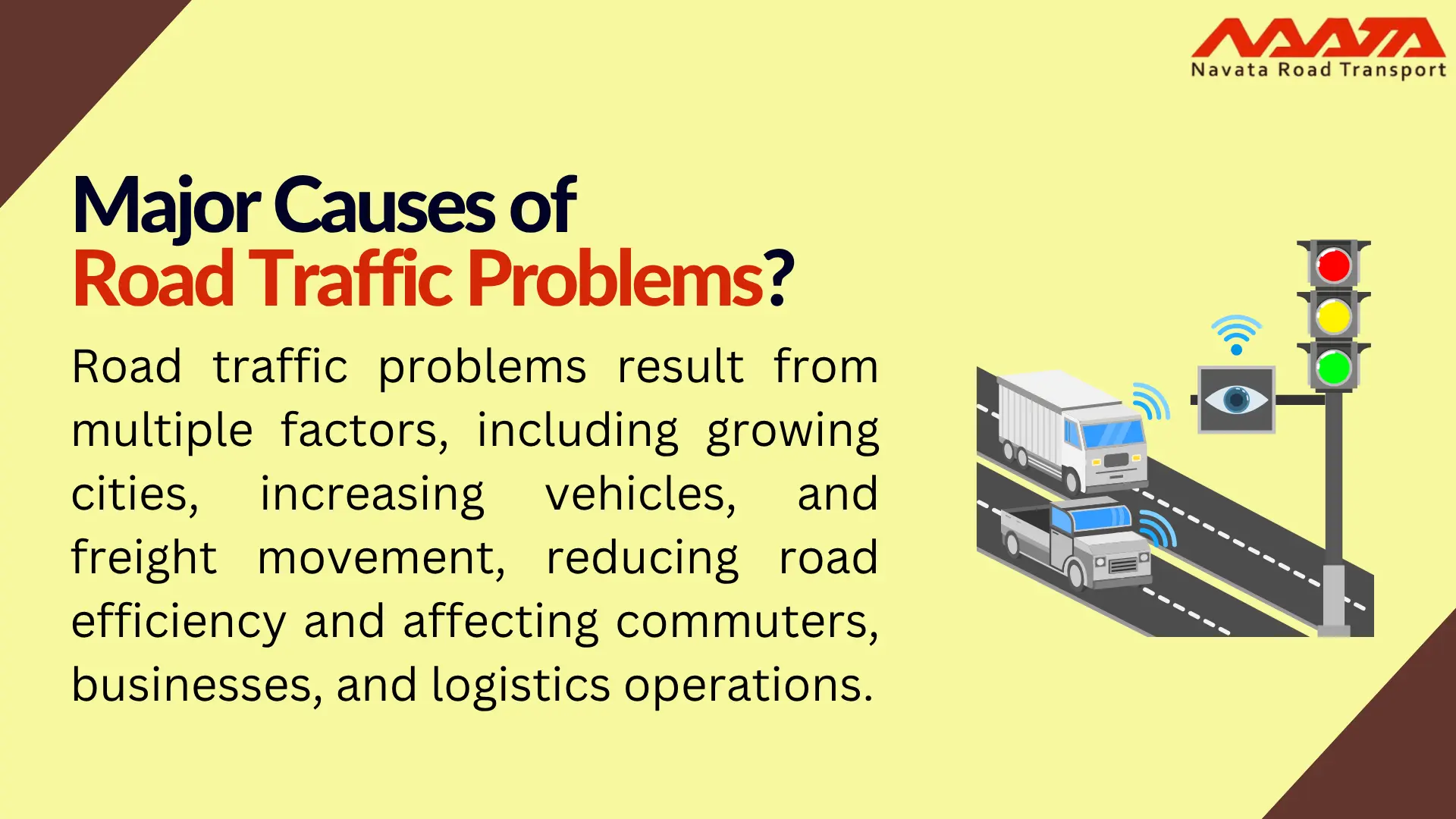
Road traffic congestion is rarely caused by a single issue. Instead, it results from multiple factors working together to reduce the efficiency of road networks. As cities expand, vehicle numbers increase, and freight movement grows, these challenges become more severe. Below are the major causes of road traffic problems that affect commuters, businesses, and logistics operations worldwide.
1. Rapid Urbanization and Population Growth
The rapid expansion of cities has significantly increased the demand for road transportation. However, road infrastructure often fails to grow at the same pace. As a result, millions of commuters, public transport vehicles, and freight trucks compete for limited road space, leading to daily congestion during peak hours.
2. Inadequate and Aging Road Infrastructure
Many highways, bridges, flyovers, and urban roads were designed decades ago for much lower traffic volumes. Today, these roads struggle to accommodate the growing number of private vehicles and commercial trucks. Narrow roads, poorly designed intersections, and insufficient bypass routes create persistent traffic bottlenecks.
3. Poor Traffic Signal and Intersection Management
Traffic flow depends heavily on efficient signal timing and intersection design. Outdated traffic lights, manual traffic control, and poorly synchronized signals increase waiting times, create long vehicle queues, and reduce the overall capacity of road networks.
4. Increasing Vehicle Ownership
Rising incomes and easier access to vehicle financing have led to a sharp increase in the number of personal cars and two-wheelers. At the same time, the rapid growth of e-commerce has increased the number of delivery vans and freight trucks on the road. This combination places tremendous pressure on existing transport infrastructure.
5. Growth in Freight and Logistics Movement
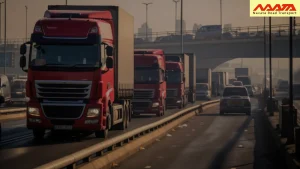
Economic development and expanding supply chains have significantly increased freight transportation. Heavy commercial vehicles share the same roads as passenger traffic, particularly near industrial zones, ports, and warehouses. During peak logistics periods, this additional freight movement contributes to severe congestion and longer delivery times.
6. Road Accidents and Vehicle Breakdowns
Even minor accidents or stalled vehicles can reduce the available road capacity by blocking one or more lanes. On busy highways and urban corridors, a single incident can trigger traffic queues that extend for several kilometres and take hours to clear.
7. Road Construction and Maintenance Work
Infrastructure upgrades, bridge repairs, metro rail projects, and emergency maintenance often require lane closures or temporary diversions. While these projects improve roads in the long term, they frequently create short-term congestion, especially when alternative routes are unavailable.
8. Weather and Seasonal Disruptions
Heavy rainfall, flooding, fog, landslides, and other extreme weather conditions reduce road capacity and increase travel times. Poor visibility and waterlogged roads slow vehicle movement and can disrupt freight schedules for several days.
9. Weak Public Transportation Systems
In many cities, inadequate public transport forces more people to rely on private vehicles. Limited bus services, overcrowded trains, and poor last-mile connectivity contribute to increased car and motorcycle usage, which further worsens road congestion.
10. Peak-Hour and Event-Based Traffic Surges
Traffic demand is not evenly distributed throughout the day. Morning and evening office hours, school timings, festivals, sporting events, and holiday travel create temporary spikes in vehicle volumes. These short periods of extremely high demand often overwhelm roads that operate efficiently during normal hours.
11. Illegal Parking and Poor Lane Discipline
Vehicles parked illegally along roadsides reduce the effective width of roads, while poor lane discipline, unauthorized U-turns, and frequent lane changing disrupt traffic flow. These issues are common contributors to congestion in busy urban areas.
12. Lack of Intelligent Traffic Management
When congestion affects major highways, industrial corridors, ports, and commercial centres, its effects extend beyond individual logistics companies. Higher transportation costs can increase the cost of doing business, reduce workforce productivity, slow the movement of goods, and ultimately contribute to higher prices for businesses and consumers.
In this way, traffic congestion and logistics efficiency are closely connected. Improving traffic flow does not simply reduce travel time; it can lower transportation costs, improve supply chain reliability, increase fleet productivity, and support broader economic growth.
You May Also Like to Read: Drones Delivery a Sustainable Future for Transportation?
How Road Traffic Problems Affect Logistics
Road traffic problems affect far more than daily commuting. For logistics operators, congestion directly influences delivery times, transportation costs, fleet productivity, warehouse operations, and customer satisfaction. At a broader level, persistent congestion can reduce business efficiency and increase the cost of moving goods across the economy.
1. Unpredictable Transit and Delivery Times
Traffic congestion makes journey times difficult to predict. A shipment that normally takes a few hours may take considerably longer during peak traffic, accidents, roadworks, or weather disruptions. This uncertainty makes route planning harder and increases the risk of delayed deliveries.
2. Higher Fuel and Transportation Costs
Frequent braking, acceleration, and prolonged idling consume additional fuel without moving goods efficiently. For transport companies operating large fleets, even small increases in fuel consumption across hundreds of trips can significantly raise overall freight and operating costs.
3. Reduced Fleet Productivity
Congestion reduces the number of trips a truck can complete within a working day. Vehicles spend more time waiting in traffic instead of transporting goods, which lowers fleet utilization and increases the cost per shipment.
4. Missed Delivery Windows and Service-Level Agreements
Time-sensitive shipments depend on predictable transit schedules. Severe traffic congestion can cause carriers to miss agreed delivery windows and service-level agreements (SLAs). Repeated delays can lead to penalties, customer complaints, and potentially lost business relationships.
5. Disruption to Warehouse and Dock Scheduling
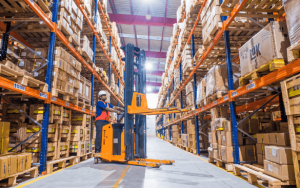
Modern warehouses operate around carefully planned arrival and departure slots. When inbound trucks arrive late because of road congestion, loading docks may remain idle or several vehicles may arrive simultaneously. These disruptions can delay unloading, order processing, and subsequent outbound shipments.
6. Higher Inventory and Supply Chain Costs
Unreliable transportation can force businesses to maintain additional safety stock to protect against delayed replenishment. Manufacturers may also face production interruptions when essential raw materials or components do not arrive on schedule, increasing overall supply chain costs.
7. Increased Vehicle Wear and Maintenance
Constant stop-and-go driving places additional strain on brakes, clutches, tyres, engines, and other vehicle components. Over time, this can increase maintenance requirements, vehicle downtime, and fleet operating expenses.
8. Driver Fatigue and Road Safety Risks
Spending extended periods in slow-moving traffic increases working hours and driver fatigue. Stressful stop-start conditions can also reduce concentration, potentially increasing the risk of accidents and creating additional safety concerns for transport operators.
9. Increased Fuel Consumption and Emissions
Vehicles caught in congestion continue consuming fuel while covering relatively little distance. Idling and repeated acceleration can increase emissions and make it more difficult for logistics companies to improve fuel efficiency and meet their sustainability targets.
10. Higher Last-Mile Delivery Costs
Urban congestion has a particularly strong impact on last-mile delivery, where drivers must complete multiple stops within limited time windows. Delays reduce the number of deliveries possible per route and increase the cost of delivering each order.
11. Supply Chain Disruptions
A traffic bottleneck in one location can create problems throughout the supply chain. Late inbound shipments can delay warehousing, production, distribution, and final delivery, turning a local road traffic problem into a wider logistics disruption.
12. Wider Economic Impact
When congestion affects major highways, industrial corridors, ports, and commercial centres, its effects extend beyond individual logistics companies. Higher transportation costs can increase the cost of doing business, reduce workforce productivity, slow the movement of goods, and ultimately contribute to higher prices for businesses and consumers.
You May Also Like to Read: Challenges in Indian Transportation Industry 2025
Solutions for Road Traffic Problems
Reducing road traffic problems requires more than simply building wider roads. Effective congestion management combines better infrastructure, intelligent traffic systems, logistics planning, public transport, and efficient use of existing road capacity. For logistics operators, smarter routing and scheduling can also reduce the impact of congestion on deliveries.
1. AI-Based Route Optimization
Modern route optimization systems can analyze live traffic conditions, road closures, weather, delivery priorities, and historical congestion patterns to identify more efficient routes. For logistics companies, dynamic routing helps drivers avoid major bottlenecks and improves delivery-time predictability.
2. Real-Time Traffic Monitoring and Telematics
GPS tracking and vehicle telematics give fleet managers real-time visibility into vehicle locations, speeds, and route conditions. When congestion, accidents, or road closures occur, dispatchers can quickly reroute vehicles instead of waiting for drivers to become stuck in traffic.
3. Off-Peak and Night Deliveries
Where local regulations and customer schedules permit, shifting freight movement away from morning and evening rush hours can reduce delays. Night and off-peak deliveries can provide more predictable journey times while allowing commercial vehicles to use road capacity when overall traffic demand is lower.
4. Better Traffic Signal Management
Poorly coordinated traffic signals can create unnecessary queues at busy intersections. Adaptive traffic signals use real-time traffic data to adjust signal timings according to vehicle volumes, helping improve traffic flow and reduce waiting times at major junctions.
5. Improved Public Transportation
Reliable buses, metro systems, suburban rail, and effective last-mile connectivity can encourage commuters to reduce their dependence on private vehicles. Fewer individual cars on the road can free valuable road capacity for essential passenger and freight movement.
6. Multimodal and Intermodal Transportation
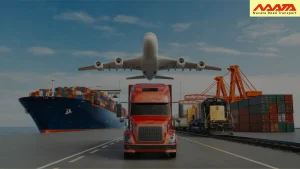
Not every shipment needs to travel entirely by road. Combining road transport with rail, waterways, or air transport can reduce pressure on congested highways, particularly for long-distance and high-volume freight. Road transport can then focus on first-mile and last-mile connectivity.
7. Urban Consolidation Centres
Instead of sending multiple partially loaded trucks into congested city centres, shipments can be combined at consolidation facilities located near urban areas. Goods can then be transferred to fewer, better-utilized vehicles for final delivery, reducing unnecessary commercial vehicle movements.
8. Dedicated Freight Corridors and Bypass Routes
Separating long-distance freight traffic from dense urban passenger traffic can improve road efficiency. Dedicated freight corridors, ring roads, bypasses, and truck-specific routes help heavy commercial vehicles avoid congested city centres while improving overall transit reliability.
9. Better Road Infrastructure and Maintenance
Improving highways, intersections, bridges, service roads, drainage systems, and damaged road surfaces can eliminate physical bottlenecks. Regular maintenance is equally important because potholes, flooding, and poorly maintained roads slow traffic and increase accident risks.
10. Smart Parking and Better Lane Management
Illegal roadside parking and poor lane discipline can significantly reduce usable road capacity. Clearly designated parking areas, stronger enforcement, dedicated turning lanes, and improved lane management can keep major traffic corridors moving efficiently.
11. Flexible Freight and Driver Scheduling
Logistics companies can build reasonable buffer times into schedules and plan routes according to expected congestion levels. Coordinating driver shifts, warehouse slots, and customer delivery windows can prevent unnecessary waiting while reducing pressure on drivers to compensate for delays.
12. Driver Training and Fuel-Efficient Driving
Drivers trained in defensive and fuel-efficient driving can better manage congested conditions. Maintaining safe distances, avoiding unnecessary acceleration and braking, and following planned routes can improve road safety while reducing fuel consumption and vehicle wear.
13. Data-Driven Traffic and Infrastructure Planning
Transport authorities can use GPS data, traffic cameras, sensors, and historical traffic patterns to identify recurring congestion hotspots. This information can support better decisions about road expansion, intersection redesign, public transport investment, and freight movement.
14. Stronger Coordination Between Government and Logistics Operators
Traffic congestion affects both public mobility and commercial transportation. Cooperation between transport authorities, city planners, logistics companies, warehouse operators, and businesses can help develop practical solutions such as designated freight routes, delivery time windows, truck parking facilities, and improved access to industrial areas.
Ultimately, solving road traffic problems requires coordinated action rather than a single solution. Combining smart traffic management, stronger infrastructure, efficient public transportation, and better logistics planning can reduce congestion while improving road safety, freight efficiency, and overall economic productivity.
Traffic & Freight Efficiency
Traffic problems are ultimately a planning problem as much as an infrastructure one. Logistics providers that combine real-time visibility, experienced route planning, and flexible fleet capacity are far better positioned to absorb congestion without passing delays on to customers. Choosing a transport partner with a strong track record of on-time performance and the technology to reroute proactively rather than reactively is one of the most reliable ways for businesses to protect delivery commitments even as road networks come under growing pressure.
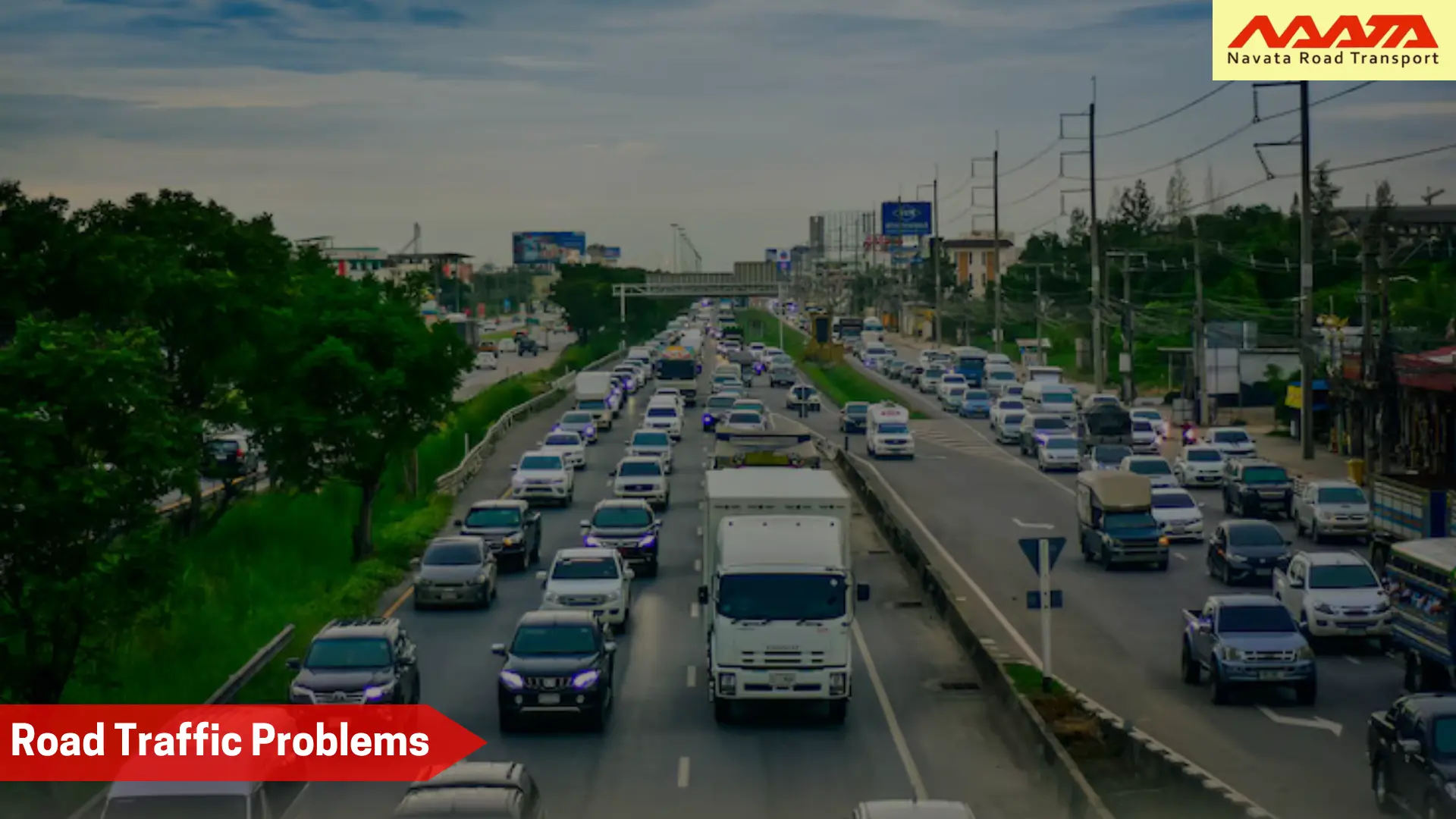
Traffic congestion is consistently identified as one of the top causes of delivery delays worldwide, and idling in stop-start traffic measurably increases fuel burn per shipment making congestion management a direct lever on both delivery reliability and operating cost, not just a commuter issue.
Quick-Reference Table: Cause → Effect → Solution
| CAUSE | EFFECT ON LOGISTICS | BEST-PRACTICE SOLUTION |
|---|---|---|
| Urban growth outpacing road capacity | Chronic peak-hour delays on key corridors | Off-peak delivery windows, alternate routing |
| Aging or insufficient infrastructure | Recurring bottlenecks at fixed pinch points | Route optimization software, infrastructure advocacy |
| Rising vehicle and freight volumes | Higher fuel cost and slower average speeds | Multi-modal shift, load consolidation |
| Weather events and flooding | Multi-day backlogs at terminals and depots | Buffer scheduling, real-time telematics rerouting |
| Accidents, breakdowns, roadworks | Sudden capacity loss on major routes | Live traffic data, dynamic dispatch rerouting |
Thank You For Reading: 10 Smart Approaches to Resolving Road Traffic Problems
FAQs
What causes road traffic problems?
Road traffic problems are mainly caused by rapid urbanization, aging or insufficient road infrastructure, poor traffic signal management, rising vehicle and freight volumes, weather disruptions, accidents, and roadworks that reduce usable capacity during peak hours.
How does traffic congestion affect logistics and deliveries?
Traffic congestion causes unpredictable transit times, missed delivery windows, higher fuel and labor costs, increased emissions, and driver fatigue. It also disrupts warehouse and dock scheduling, making reliable freight movement more difficult.
What are the best solutions to reduce traffic congestion?
Effective solutions include AI-based route optimization, real-time traffic and telematics data, off-peak or night delivery windows, multimodal transport strategies, urban consolidation centers, and infrastructure improvements such as smarter traffic signals and dedicated freight lanes.
Does traffic congestion increase shipping costs?
Yes. Traffic congestion increases shipping costs because vehicles consume additional fuel while idling, drivers spend more time completing trips, and businesses may face detention or penalty charges for missed delivery slots. Repeated delays can significantly increase the overall cost per shipment.
Recent Posts